Find rehab centers near you by city, state, and level of care.
Explore local treatment options for alcohol rehab, drug rehab, detox, residential treatment, PHP, IOP, outpatient care, dual diagnosis, and family admissions support. Start with your location, then compare the level of care that fits the situation.
✓ Private support · City and state directories · Detox, residential, PHP, IOP, and outpatient options
50
State Directory Hubs
20
Featured City Pages
6
Core Care Levels
24/7
Admissions Questions
Local
Treatment Discovery

Understanding treatment
What is a rehab center?
A rehab center is a treatment setting for people dealing with alcohol use, drug use, or co-occurring mental health needs. Some programs provide medical detox, some offer residential treatment, and others focus on outpatient therapy, PHP, IOP, medication support, or continuing care. Unlike a support group, rehab is typically a clinical service. The right setting depends on withdrawal risk, substance use history, mental health needs, home environment, insurance or payment options, and whether the person needs 24-hour structure.- Detox may be used when withdrawal symptoms need medical monitoring.
- Residential treatment provides a structured live-in recovery environment.
- Outpatient care can include PHP, IOP, therapy, relapse-prevention planning, and step-down support.
Alcohol rehab
What is alcohol rehab?
Alcohol rehab is treatment for alcohol use disorder and alcohol-related problems. Depending on the person's needs, alcohol rehab may include medical detox, residential treatment, individual therapy, group therapy, relapse-prevention planning, family support, medication support, and outpatient continuing care. Some people begin with detox because alcohol withdrawal can be uncomfortable and, in some cases, medically risky. Others may start at residential, PHP, IOP, or outpatient care if detox is not needed. The right level of care depends on withdrawal history, drinking pattern, physical health, mental health, home support, and safety concerns.- Alcohol detox: medical monitoring during withdrawal when clinically appropriate.
- Residential alcohol rehab: structured live-in care for people who need more support.
- Outpatient alcohol treatment: scheduled therapy and recovery support while living at home.
- Aftercare planning: relapse-prevention strategies, support groups, therapy, and step-down care.


Medical detox
What is medical detox?
Medical detox is a short-term level of care focused on helping a person safely stop using alcohol or drugs while withdrawal symptoms are monitored. Detox is not the same as a full rehab program. It is often the first step before residential treatment, PHP, IOP, or outpatient care. Detox may be especially important when someone has a history of heavy alcohol use, benzodiazepine use, opioid use, polysubstance use, previous withdrawal complications, seizures, severe anxiety, or medical concerns.- Ask if detox is on site or coordinated through a partner facility.
- Ask what happens after detox so care does not stop after withdrawal stabilization.
- Ask about medication support for alcohol or opioid use disorder when appropriate.
- Call emergency services if withdrawal symptoms feel dangerous or life-threatening.
Drug rehab
What is drug rehab?
Drug rehab is treatment for substance use involving opioids, stimulants, benzodiazepines, prescription medications, cannabis, polysubstance use, or other drugs. Programs may focus on therapy, medical care, medication-assisted treatment, mental health support, relapse prevention, and long-term recovery planning. Drug rehab can look different depending on the substance and the person's clinical needs. Opioid treatment may involve medication-assisted treatment. Stimulant treatment may focus more heavily on behavioral therapy, mental health support, and relapse prevention.- Opioid treatment: may include medication-assisted treatment and relapse-prevention planning.
- Stimulant treatment: often emphasizes therapy, structure, triggers, and behavioral support.
- Prescription drug treatment: may require careful medical review and tapering guidance.
- Dual diagnosis: treats substance use and mental health needs together.

Treatment settings
Inpatient vs. outpatient rehab: what is the difference?
Inpatient and outpatient rehab are not interchangeable. The main difference is the amount of structure, monitoring, and time spent in treatment each week.
Live-in structured care
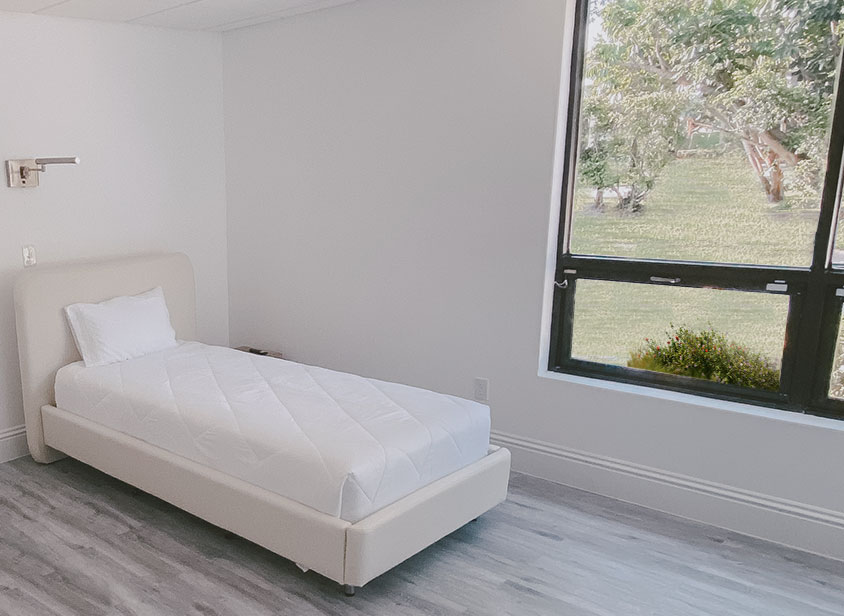
Inpatient or residential rehab usually means the person lives at the treatment facility while receiving structured care. This setting can be helpful when someone needs a stable environment, more accountability, distance from triggers, or a higher level of clinical support.- Live-in treatment environment
- More daily structure and support
- Often used after detox or when outpatient care is not enough
Scheduled care from home
Outpatient rehab allows a person to live at home or in supportive housing while attending scheduled treatment. It can include standard outpatient therapy, intensive outpatient programs, partial hospitalization programs, medication support, and continuing care.- Live at home or in sober/supportive housing
- Scheduled treatment several times per week or less
- Can be used as step-down care after residential treatment
Types of treatment
Common types of addiction treatment programs.
Treatment is not one single service. A complete recovery plan may include several types of care over time, starting with stabilization and continuing into therapy, relapse prevention, and aftercare.1
Individual Therapy
One-on-one therapy helps people identify triggers, substance use patterns, trauma, coping skills, and personal goals for recovery.2
Group Therapy
Group sessions provide peer support, accountability, shared experience, and structured discussion led by clinical staff.3
Family Therapy
Family involvement may help improve communication, boundaries, support planning, and understanding of addiction as a treatable condition.4
Medication-Assisted Treatment
MAT may be used for some alcohol or opioid use disorders and can be combined with therapy and recovery support.5
Dual-Diagnosis Care
Dual-diagnosis care treats substance use and mental health conditions together, such as anxiety, depression, trauma, or bipolar disorder.6
Aftercare Planning
Aftercare may include outpatient therapy, alumni support, relapse-prevention planning, sober living, recovery groups, or ongoing medication support.Treatment focus
Alcohol rehab vs. drug rehab: which page should you start with?
Both paths can include detox, therapy, residential care, outpatient support, and relapse-prevention planning. The difference is the primary substance use need and the services the program is built to address.Alcohol Rehab
Alcohol rehab focuses on alcohol use disorder, withdrawal risk, relapse prevention, therapy, family support, and long-term sobriety planning. Some people begin with alcohol detox before moving into residential or outpatient treatment.- Alcohol detox and medical monitoring questions
- Residential or outpatient alcohol treatment
- Relapse prevention, therapy, and aftercare planning
Drug Rehab
Drug rehab may address opioids, stimulants, benzodiazepines, prescription medication misuse, polysubstance use, or other substance use concerns. Some programs also provide medication-assisted treatment or dual-diagnosis care.- Opioid, stimulant, or polysubstance treatment
- Medication-assisted treatment questions
- Dual diagnosis and mental health support
Levels of care
Types of rehab programs available.
People often search for "rehab near me" before they know which level of care they need. These categories help users understand common program types before choosing a city or state page.Medical Detox
Detox supports people who may need medical monitoring while alcohol or drugs leave the body. Ask whether detox is on site, medically supervised, and connected to ongoing treatment.Explore Detox
Residential / Inpatient
Residential treatment provides a live-in recovery setting with structure, therapy, peer support, and separation from daily triggers. It is often considered when outpatient care is not enough.Explore Residential
PHP Programs
Partial hospitalization programs are high-intensity outpatient programs. PHP can help people step down from residential care or receive structured treatment while living off site.Explore PHP
IOP Programs
Intensive outpatient programs usually meet several days per week and can work for people who need ongoing support while maintaining home, school, or work responsibilities.Explore IOP

Dual Diagnosis
Dual-diagnosis treatment addresses substance use alongside mental health conditions such as depression, anxiety, trauma, or bipolar disorder. Ask how mental health care is integrated.Explore Dual Diagnosis
Medication Support
Medication-assisted treatment may be used for some alcohol or opioid use disorders. Ask whether medications are available, coordinated, or referred through another provider.Explore MAT
Getting started
How to choose a rehab center near you.
A good treatment search is not just about the closest facility. Compare the care level, clinical fit, cost, location, and what happens after the first phase of treatment.
Start with location
Choose whether you want treatment close to home, in another city, or in another state. Local care can support family involvement, while travel may create distance from triggers. Browse CitiesMatch care level
Consider whether the person needs detox, residential treatment, PHP, IOP, outpatient therapy, dual-diagnosis support, or medication-assisted treatment. Compare LevelsAsk key questions
Before choosing a program, ask about licensing, insurance, cost, availability, medical services, mental health support, aftercare, and what happens after discharge. Call AdmissionsAdmissions questions
What happens when you call a rehab admissions team?
An admissions call usually starts with basic questions about substance use, safety, withdrawal risk, mental health needs, insurance or payment options, location preference, and whether detox or residential care may be needed.- You can ask what levels of care are available before sharing sensitive details.
- A loved one can often call first to understand options.
- Availability, insurance acceptance, and clinical fit should be confirmed directly.
- Emergency situations require 911 or local emergency services, not a directory page.
For families and loved ones
Looking for help for someone else?
Many rehab searches begin with a spouse, parent, sibling, adult child, or close friend. It is common to feel unsure about what to say, what level of care is needed, or whether a person will agree to treatment. Use the directory to understand common treatment paths before starting the conversation. A loved one can compare local options, learn the difference between detox and residential care, and prepare questions for admissions.- Ask whether family involvement or family therapy is available.
- Ask what happens if the person needs detox before treatment.
- Ask how discharge planning, relapse prevention, and aftercare are handled.
Top rehab center cities
Browse rehab centers in popular cities.
Select a city to explore alcohol rehab, drug rehab, detox, residential treatment, outpatient care, PHP, IOP, and local admissions resources. Los Angeles, CA
Explore rehab centers in Los Angeles, CA →
Los Angeles, CA
Explore rehab centers in Los Angeles, CA →
 New York City, NY
Explore rehab centers in New York City, NY →
New York City, NY
Explore rehab centers in New York City, NY →
 Chicago, IL
Explore rehab centers in Chicago, IL →
Chicago, IL
Explore rehab centers in Chicago, IL →
 Houston, TX
Explore rehab centers in Houston, TX →
Houston, TX
Explore rehab centers in Houston, TX →
 Phoenix, AZ
Explore rehab centers in Phoenix, AZ →
Phoenix, AZ
Explore rehab centers in Phoenix, AZ →
 Philadelphia, PA
Explore rehab centers in Philadelphia, PA →
Philadelphia, PA
Explore rehab centers in Philadelphia, PA →
 San Antonio, TX
Explore rehab centers in San Antonio, TX →
San Antonio, TX
Explore rehab centers in San Antonio, TX →
 San Diego, CA
Explore rehab centers in San Diego, CA →
San Diego, CA
Explore rehab centers in San Diego, CA →
 Dallas, TX
Explore rehab centers in Dallas, TX →
Dallas, TX
Explore rehab centers in Dallas, TX →
 San Jose, CA
Explore rehab centers in San Jose, CA →
San Jose, CA
Explore rehab centers in San Jose, CA →
 Austin, TX
Explore rehab centers in Austin, TX →
Austin, TX
Explore rehab centers in Austin, TX →
 Jacksonville, FL
Explore rehab centers in Jacksonville, FL →
Jacksonville, FL
Explore rehab centers in Jacksonville, FL →
 Miami, FL
Explore rehab centers in Miami, FL →
Miami, FL
Explore rehab centers in Miami, FL →
 Boca Raton, FL
Explore rehab centers in Boca Raton, FL →
Boca Raton, FL
Explore rehab centers in Boca Raton, FL →
 Charlotte, NC
Explore rehab centers in Charlotte, NC →
Charlotte, NC
Explore rehab centers in Charlotte, NC →
 San Francisco, CA
Explore rehab centers in San Francisco, CA →
San Francisco, CA
Explore rehab centers in San Francisco, CA →
 Denver, CO
Explore rehab centers in Denver, CO →
Denver, CO
Explore rehab centers in Denver, CO →
 Seattle, WA
Explore rehab centers in Seattle, WA →
Seattle, WA
Explore rehab centers in Seattle, WA →
 Boston, MA
Explore rehab centers in Boston, MA →
Boston, MA
Explore rehab centers in Boston, MA →
 Las Vegas, NV
Explore rehab centers in Las Vegas, NV →
Las Vegas, NV
Explore rehab centers in Las Vegas, NV →
All states
Find rehab centers by state.
Choose a state to browse alcohol rehab, drug rehab, detox, residential treatment, outpatient care, PHP, IOP, and local admissions resources.Alabama
Alaska
Arizona
Arkansas
California
Colorado
Connecticut
Delaware
Florida
Georgia
Hawaii
Idaho
Illinois
Indiana
Iowa
Kansas
Kentucky
Louisiana
Maine
Maryland
Massachusetts
Michigan
Minnesota
Mississippi
Missouri
Montana
Nebraska
Nevada
New Hampshire
New Jersey
New Mexico
New York
North Carolina
North Dakota
Ohio
Oklahoma
Oregon
Pennsylvania
Rhode Island
South Carolina
South Dakota
Tennessee
Texas
Utah
Vermont
Virginia
Washington
West Virginia
Wisconsin
Wyoming
FAQs
Frequently asked questions about rehab centers.
Common questions about how rehab works, how to compare programs, and what to expect when calling admissions.
"A good treatment search starts with understanding the level of care, then confirming details directly with the provider."
This page is informational and does not replace medical advice. For emergencies, call 911 or local emergency services.
What is the difference between detox and rehab?Detox focuses on withdrawal management and medical stabilization. Rehab usually refers to ongoing treatment such as residential care, PHP, IOP, outpatient therapy, relapse-prevention planning, and aftercare.
Is residential treatment the same as inpatient rehab?The terms are often used similarly, but details vary by provider. Residential or inpatient treatment generally means the person lives at the facility while receiving structured addiction treatment.
What is PHP?A partial hospitalization program is a high-intensity outpatient level of care. PHP typically offers structured treatment during the day while the person lives off site or in supportive housing.
What is IOP?An intensive outpatient program provides scheduled treatment several days per week. IOP can support people stepping down from residential or PHP care, or people who need structured care while living at home.
What is dual-diagnosis treatment?Dual-diagnosis treatment addresses substance use and mental health conditions together. This may include therapy, psychiatric support, trauma-informed care, or medication management depending on the provider.
Can family members call admissions?Yes. Family members often call first to understand options, ask questions, and learn what information may be needed. The person seeking treatment usually must participate before admission.
How long does rehab last?Length varies. Detox may last days, residential programs often range from several weeks to longer stays, and outpatient care may continue for weeks or months. The right timeline depends on clinical needs and progress.
Can I find rehab without insurance?Some providers accept private pay, offer payment plans, or connect people with public resources. Always confirm costs, insurance acceptance, and available payment options directly with the facility.
Should I choose a local rehab center or travel?Local treatment can make family involvement and aftercare easier. Traveling for rehab may help create distance from triggers or provide access to a specific program type. Both options can be appropriate depending on the situation.
Is this site medical advice?No. This is an informational directory. It does not diagnose conditions or replace medical advice. For emergencies, call 911 or local emergency services.
Take the next step
Start with a city, state, or admissions call.
Browse rehab centers by location, compare common levels of care, and prepare better questions before choosing a treatment provider.